Tokyo Kids Guide
Updated

Tokyo Kids Guide

Our Story

Why we built this site.

Tokyo is full of wonderful things to do with children. Yet on a Saturday morning, finding the one that fits your family can take longer than the outing itself. I knew that feeling because I was the parent doing the same searches every weekend.

Tokyo Kids Guide is the small tool I built to give families that time back: less searching, more of the day together. That is where our story begins.

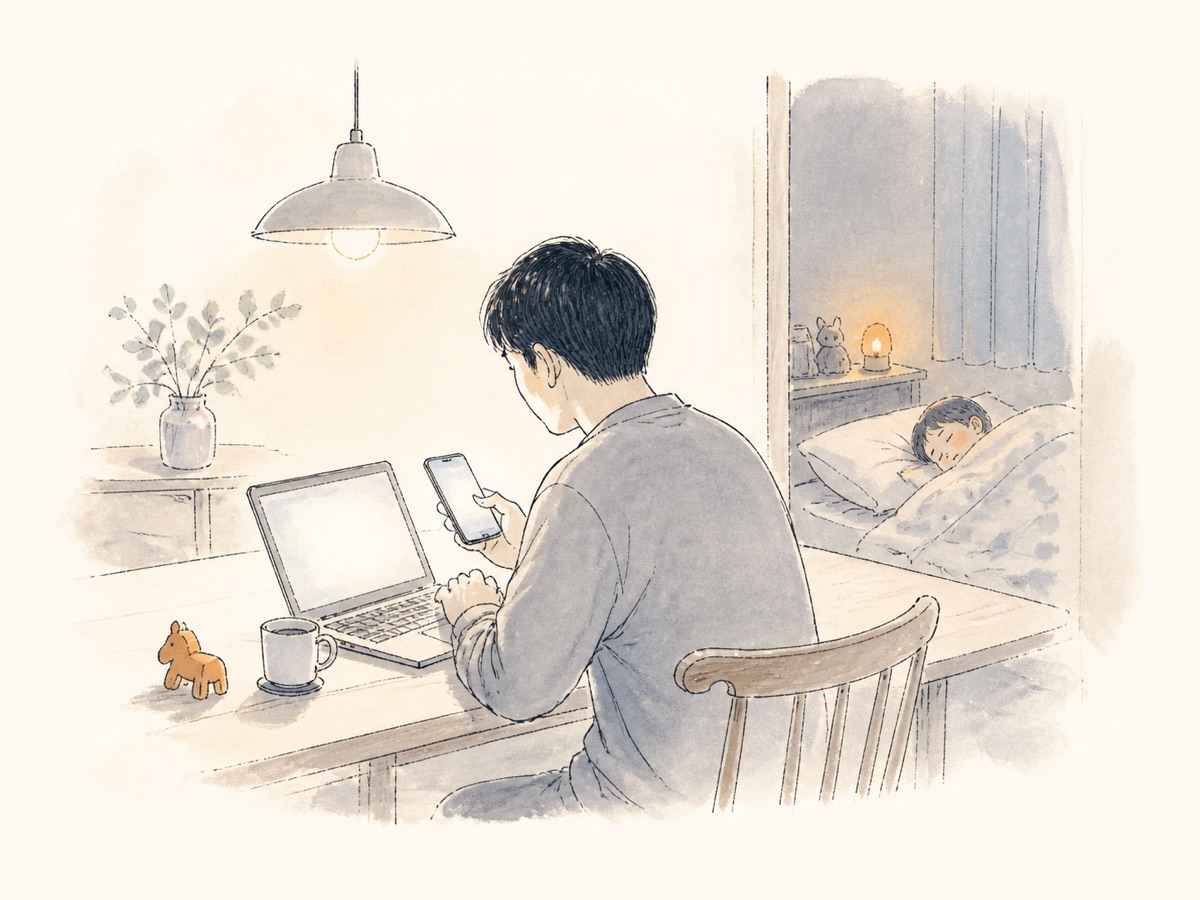
A parent building the site at night after the child is asleep

The story starts here

The problem was never a lack of things to do.

Where should we take the kids today?

Is anything on this weekend?

Do we need to book this one?

It’s raining — anywhere indoors?

Ward offices, children’s centres, museums, parks, shops and neighbourhood groups create thoughtful events every week. The choices are there. The problem is that the information lives across dozens of official pages and easily missed notices.

So parents do the same work again and again: search, compare, check the weather, look for booking rules, then start over. I did it too. Some weekends, choosing where to go felt tiring before we had even left home.
We started with the answer we needed ourselves.

I wondered whether AI could find that public information regularly and organise it in one place. The first version was almost comically small.

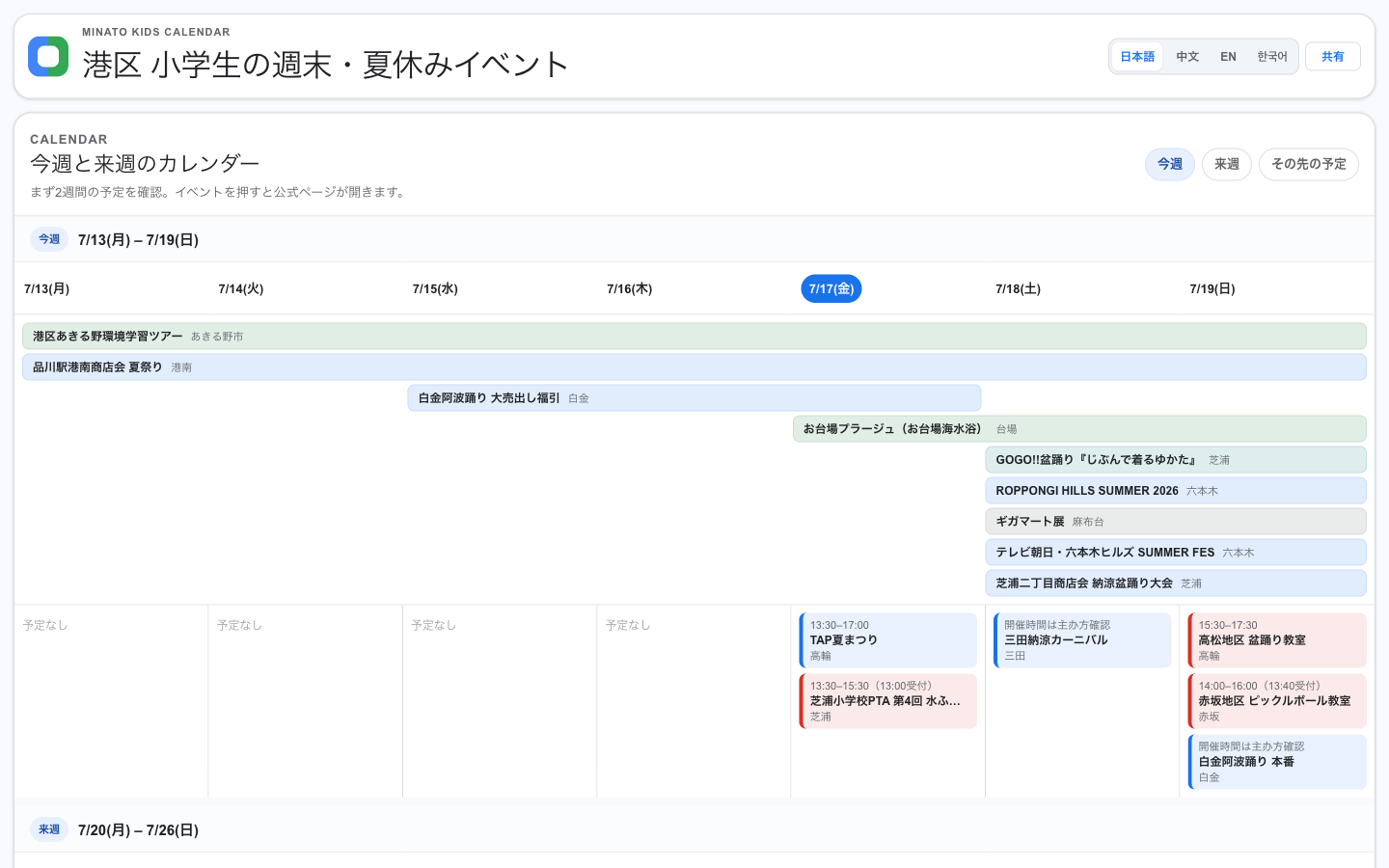
It answered only two questions: what is on this weekend, and what is on next weekend? There was no grand product plan. I just wanted a better Saturday morning for my own family.

The original two-week Minato event calendar
The first Minato guide put this weekend and next weekend side by side. That was all — and it was enough to begin.

Then other parents made the guide better.

Could I see Saturday only?Can I filter for indoors when it rains?What about science or sports?

The moment real families used it, the missing pieces became obvious. Saturday only. Indoors when it rains. Science, sport, learning or culture. These were not features invented in a meeting; they were answers to real moments in family life.

Japanese, Chinese-speaking and international families needed the same help, so the guide became multilingual. Much of what you see today began with one parent asking, “Could it do this too?”

  • Date
  • Indoor / outdoor
  • Sport
  • Learning
  • Science
  • Culture
  • Family
  • Languages

One family led us to the next.

Minato came first because that was where our everyday life happened. Then a friend in Chuo saw the guide and asked, “Could you add our area too?” So I did.

There was no launch plan for all of Tokyo. A family needed it here, another asked over there, and the guide moved a little farther each time: from Minato to central Tokyo, then across all 23 wards.

  1. Minato
  2. Central 3
  3. Central 6
  4. All 23 wards
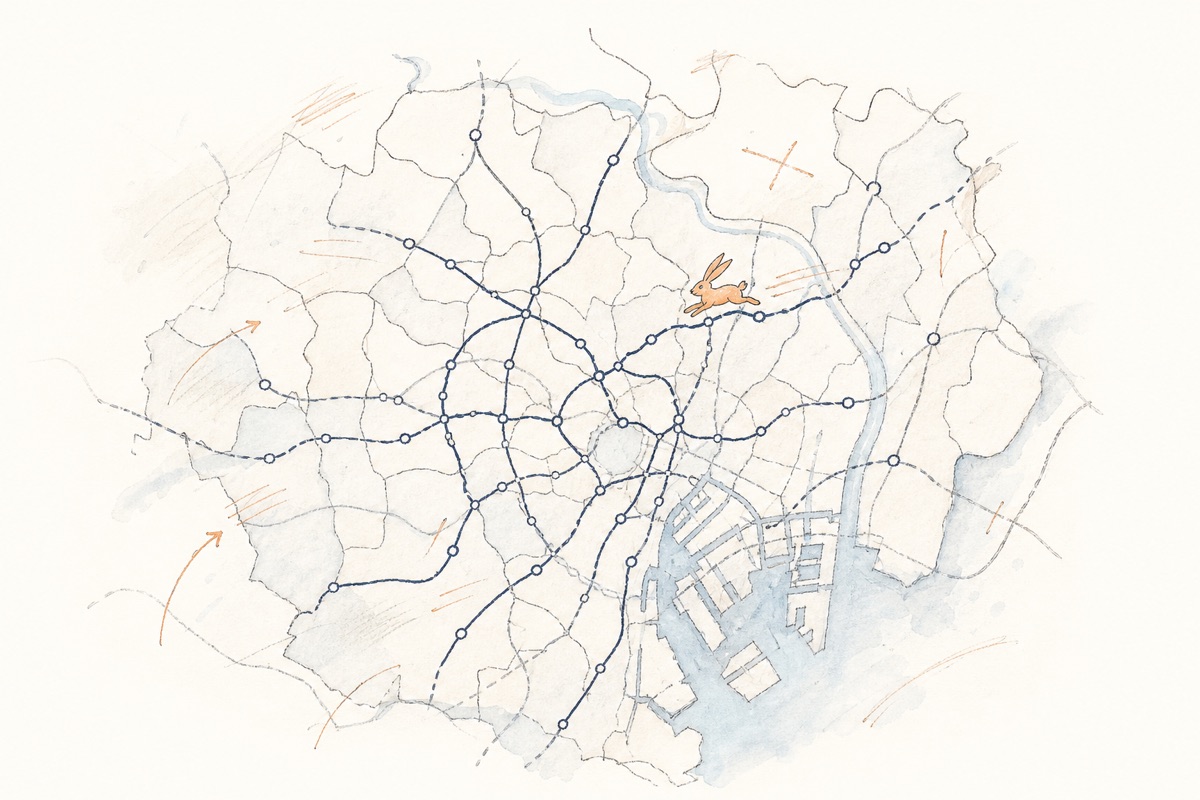
A rabbit following a route through Tokyo's 23 wards

Building it was easier than making it genuinely useful.

I am not a professional engineer. I have a day job, and most of this site was made after the children were asleep or at weekends. AI coding gave me a way to try things that once felt out of reach.

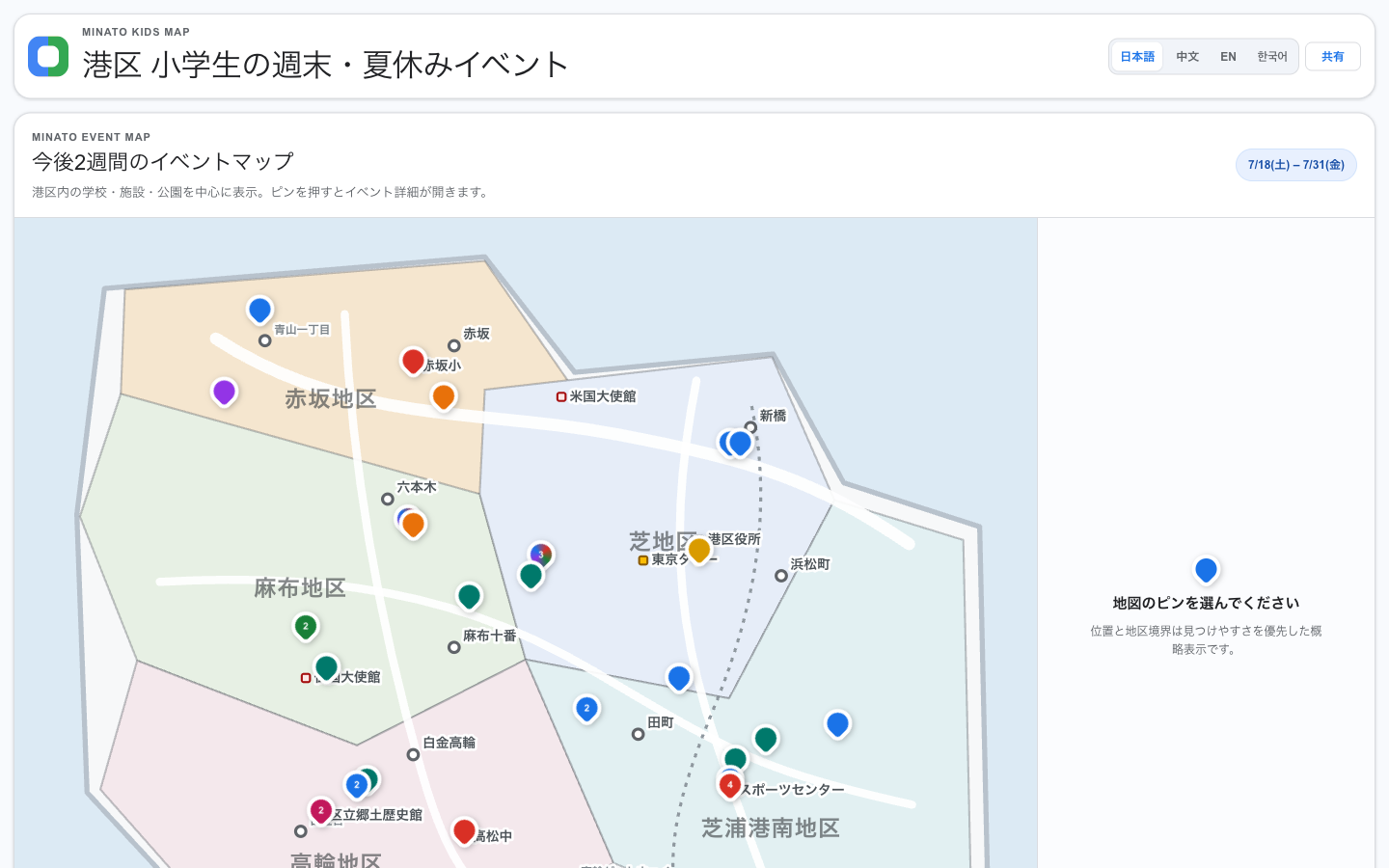
A map seemed essential. Could we cycle there? How many stops is it? Is there somewhere else nearby? In Minato, placing every event on a map worked beautifully. Across 23 wards, it did not.

A ten-minute adjustment would quietly become an hour, then two.
The original Minato event map

I added railway lines and major stations because Tokyo families often understand the city by the trains they use, not by ward boundaries. It sounded right. On screen, it was a mess.

Zoom out and the events collapsed into a pile. Zoom in and Tokyo disappeared. After evenings of adjusting regions, layers and individual points, I deleted the version I had worked hardest on and started again.

The version that took the longest to make was the one I chose not to keep.

That failure changed the question. It was no longer “Can I build this?” but “Will this make a parent’s decision easier?”

AI can help think through the possibilities. The answer still comes from using the guide, noticing friction, and being willing to remove work you love. The map that disappeared taught me what this site should be: clear, calm and useful at the moment a family needs it.

Where should we take the kids this weekend?What would make family life a little easier?

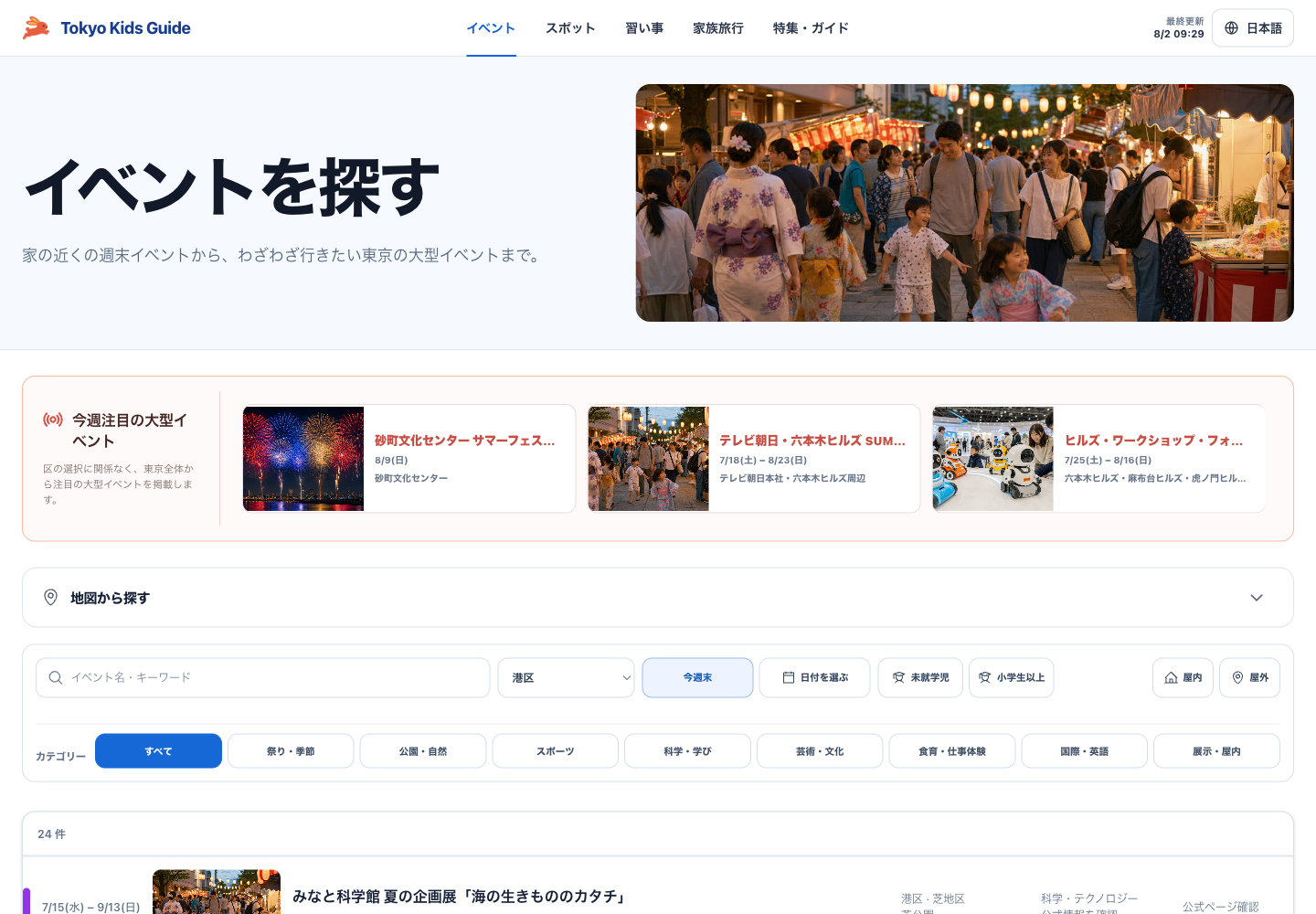
The event list became a guide to a family day out.

Family life does not stop at the edge of a ward. Some weekends take us across Tokyo by train; others lead into Kanagawa, Chiba or Saitama.

So Places grew beside Events: parks, museums, zoos, farms and hands-on destinations. Not only what is happening today, but places worth giving a whole day to — the kind a child may remember years later.

The current Tokyo family events page
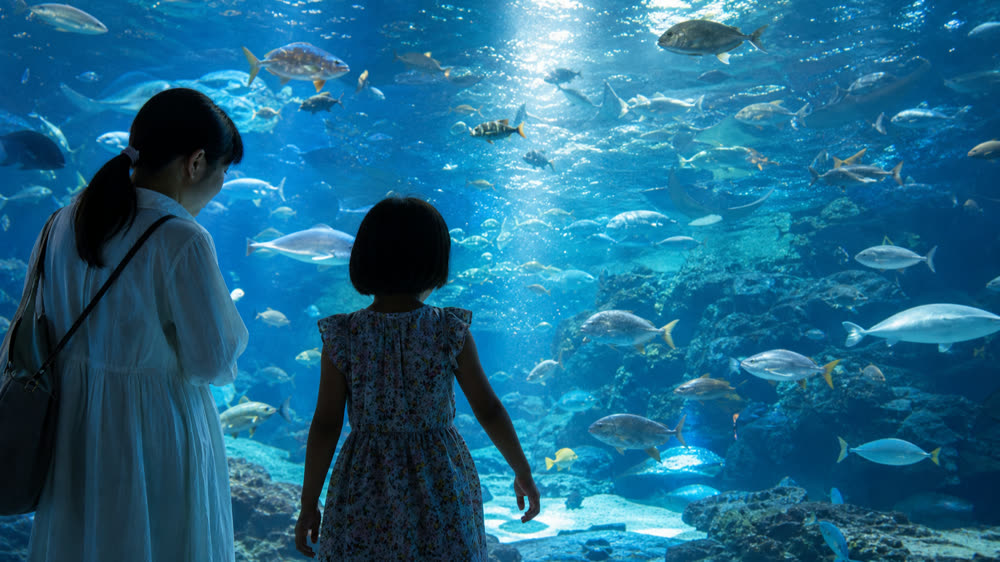
A family-friendly aquarium in Tokyo

Soon, the questions stretched beyond the weekend.

Then came summer holidays, winter breaks and journeys farther from home. Some families travel within Japan, some go overseas, and some need a child to fly ahead of a working parent.

The guide began answering those questions too — including something as specific as whether a child can fly alone. It may not matter to most people today. To one worried parent at the right moment, it can mean everything.

A practical guide to children flying alone

What matters is not the site. It is the time families get back.

I build this as a parent first. That is why the small details matter: whether a map makes sense, whether cycling is realistic, whether indoor options are easy to find in the rain, and whether a parent who does not read Japanese can still make a confident choice.

When another family says, “That helped,” the evenings spent building no longer feel like time taken from my own family. They feel like time returned to someone else’s.

The achievement is not a clever website. It is one less search, one easier decision, one family out of the door a little sooner.

That is reason enough to keep going.

There is no large team or large budget behind Tokyo Kids Guide. It runs on AI, cloud services, and the spare hours of one parent.

But if one person can organise the information before a hundred parents repeat the same search, the effort multiplies. If one family puts down the phone and takes a child’s hand a little sooner, the work has done its job.

The promise is simple: less time searching, more time together. I use the guide every weekend too, and I will keep earning the trust that families place in it.

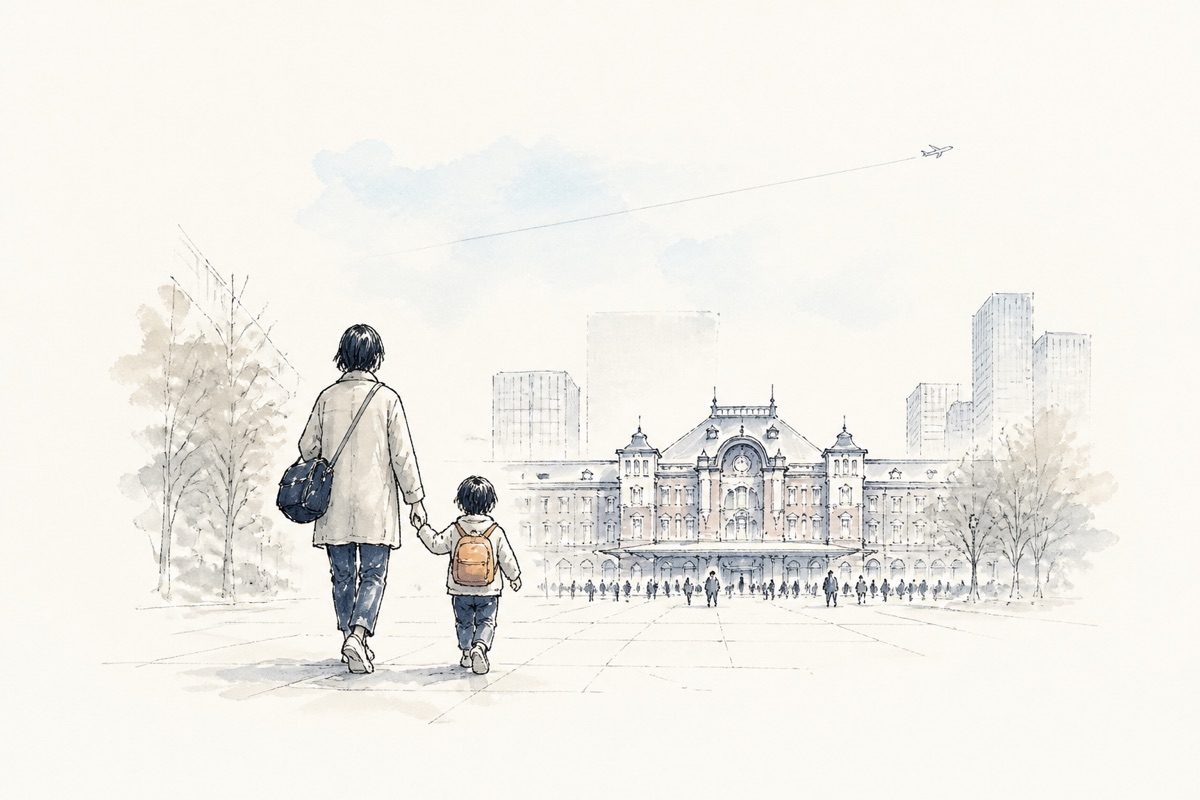
A parent and child continuing their journey through Tokyo

Tell us what would make your next weekend easier.

Parents are now asking for comments from families who have actually visited. One honest sentence can be more useful than a page of official description.

This guide has always grown from small, real problems. If something feels difficult, missing or unclear, tell us. Your experience may become the answer another family needs next weekend.

Probably best for ages five and up.Very busy at weekends — go early.A great rainy-day option.Easy with a stroller.

Your small frustration could help the next family.

No formal feature request needed. Tell us what was difficult, or what would have helped in that moment.

Send me an ideaThis opens your email app. To: kids@kongmingjapan.com
The next useful change may begin with one sentence from you.

If this guide could help another family, please pass it on. Every share helps the right parent find it — and gives us another reason to keep going.

Tokyo Kids Guide